Chinese Donghua
Link Click: The Thriller That Hooks You in One Episode
A Chinese animated thriller with a simple rule and a ruthless willingness to break it.
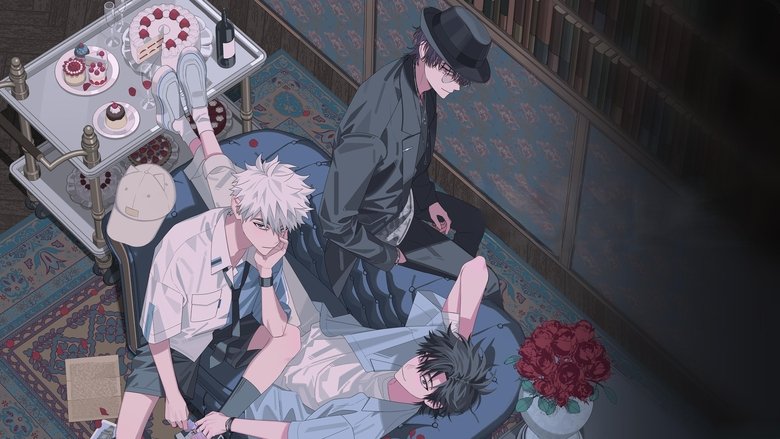
At a glance
- Chinese title
- 时光代理人 (Shíguāng Dàilǐrén)
- Format
- Animated series, multiple seasons
- Setting
- Contemporary China, with time travel
- Genre
- Suspense, supernatural mystery
- Official streaming
- Crunchyroll (region dependent)
- Best for
- Thriller fans, short binge watches
What it is about
Cheng Xiaoshi can enter a photograph and live inside the moment it was taken. Lu Guang can see the timeline around him. Together they run a small studio that takes commissions from people who want to revisit a moment, usually to deliver a message or understand a loss.
The rule is simple: do not change the past. The series spends its first episodes establishing how carefully the two men work, then starts testing that rule. Each case is self-contained, but the consequences accumulate.
Who should watch it
Best for: viewers who like tight supernatural mysteries and emotional cases of the week.
- You enjoyed Steins;Gate or Erased.
- You want a Chinese animation with a contemporary setting.
- You like short seasons that end on a hard cliffhanger.
Skip it if you dislike time-travel logic or want a complete story in one season.
Three reasons to watch
1. The cases are genuinely moving
Each commission is about a small human loss: a missed goodbye, a family secret, a business deal that ruined someone. The supernatural device exists to make ordinary regret visible.
2. The tension comes from rules
Because the audience knows the rule, every episode creates dread. You can see the mistake coming and cannot stop it.
3. The animation is expressive
The show uses shifts in colour and framing to distinguish the present from the remembered past. It is stylised without being confusing.
The hidden culture detail
The photo studio is a very specific Chinese urban business. In the 1980s and 1990s, families went to a zhaoxiangguan (照相馆) for formal portraits, graduation photos and holiday pictures. These studios were small, personal and often run by one photographer who knew the neighbourhood. The show turns that institution into a supernatural service, which is why the requests feel intimate rather than corporate. The photographs are family objects, not data.
The rules of the time-travel power
The show is careful about its own logic, and that care is what makes the emotional stories land. The photographers can travel into a photograph, but only for a limited time, only as the person who took it, and they cannot change the past in ways that rewrite the present. They are observers with a deadline.
That constraint turns every case into a small tragedy. The duo can witness a mistake but not prevent it, and the client has to live with what the photo shows. The series is less interested in paradoxes than in grief, and the rules exist to keep the grief sharp.
The second season widens the frame. What begins as an episodic service story becomes a conspiracy about who else has the power and why. The tone darkens, the cases connect, and the show starts asking whether observation is really neutral. If the first season feels like a clever anthology, the second is where it becomes a serialised thriller.
The animation style supports the premise. Present-day scenes are clean and warm; the photographed past is slightly desaturated, with framing that mimics old family pictures. That visual difference does a lot of storytelling without exposition.
The donghua is also unusually good at silence. Several of its best scenes have almost no dialogue, relying on a look or a held shot. For viewers used to fast-paced animation, the patience is a pleasant surprise.
The Chinese title is a pun that the English loses. It plays on the word for "link" and the word for "hour", which is why the official translation keeps the English title short. The original also uses the language of photography, with terms for shutter, exposure and development woven into the dialogue. Subtitles cannot carry all of it, but the theme is clear: a photograph is not a memory, it is a moment someone chose to keep.
One more reason to watch: the cases are culturally specific. A graduation photo, a family portrait, a shop that is about to close. These are ordinary Chinese life details, and they make the supernatural premise feel rooted rather than generic.
One warning: the series is not finished, and the ending of the most recent season is a cliffhanger. If that bothers you, wait for the next instalment rather than starting now.
If you like the idea of supernatural rules with emotional consequences, this is one of the strongest recent Chinese animations. It also pairs well with the live-action crime dramas on this site, because both are interested in what people do when they cannot undo a mistake. Watch it with subtitles on, because the photography terms matter more than they seem to. Give it two evenings and it will earn the recommendation.
Where to watch
Licensed through Crunchyroll in many regions. If you want a live-action Chinese thriller with a similar tone, read our The Bad Kids guide.
Where to watch officially
These buttons open the licensed platform's own search page for this drama. Availability changes by country, so the platform page is the final word on subtitles and regions.
No torrents, mirrors or Google Drive copies. If a link ever lands somewhere unofficial, tell us at yqin1090@gmail.com and we will replace it.