Chinese Donghua
Scissor Seven: A Hairdresser Who Is Bad at Murder
The easiest Chinese animation to recommend: short episodes, broad comedy and a hero who keeps accidentally doing the right thing.
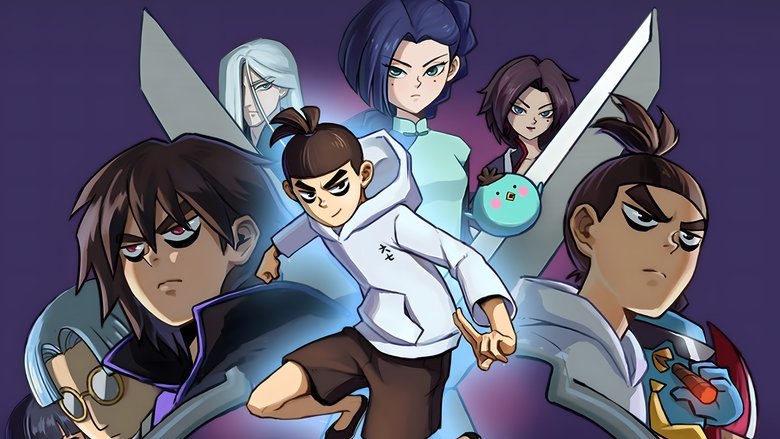
At a glance
- Chinese title
- 刺客伍六七 (Cìkè Wǔliùqī)
- Format
- Animated series, multiple seasons
- Setting
- A fictional island with martial artists
- Genre
- Comedy, action, slice of life
- Official streaming
- Netflix (region dependent)
- Best for
- Casual viewers, comedy fans
What it is about
Seven runs a barbershop on a small island and takes odd jobs as an assassin, despite being terrible at it. He has lost his memory, his scissors are his weapon, and his main talent is talking his way out of fights. Each episode is short, self-contained and usually ends with someone learning a small lesson.
The show mixes slapstick, Cantonese-style humour and genuine martial arts choreography. It is the Chinese animation most likely to make a first-time viewer laugh out loud.
Who should watch it
Best for: viewers who want something light, fast and easy to watch in short bursts.
- You liked the deadpan comedy of One Punch Man.
- You want a Chinese animation that does not require lore homework.
- You are watching with friends or on a phone.
Skip it if you want a serious plot or high-end visuals. The animation is deliberately loose.
Three reasons to watch
1. The comedy travels
Most of the jokes are physical or situational, so they survive subtitles. The show is not relying on wordplay that only works in Chinese.
2. The action is better than it needs to be
Fight scenes are choreographed with real care. The contrast between the silly setup and the sudden competence is the show's best running gag.
3. It has a soft heart
Under the assassin premise, Seven is a decent person who keeps choosing not to hurt people. The island community becomes a found family, and the show earns that warmth.
The hidden culture detail
The island setting and the Cantonese-flavoured humour place the show in southern China's cultural orbit. The barbershop, the street food stalls and the casual mixing of martial arts with ordinary neighbours are recognisable from Hong Kong comedy films. The show is not a wuxia epic; it is a neighbourhood comedy that happens to have killers in it, which is why the stakes stay small and the jokes stay local.
Why the comedy survives the violence
The show is funny in a very specific register: deadpan, slightly absurd and rooted in ordinary embarrassment. Seven is a terrible assassin who keeps getting distracted by rent, food and a girl he likes. The jokes come from the gap between his reputation and his actual life, and the series never lets the violence become glamorous.
That balance is harder than it looks. A comedy about a killer can easily become cruel, but Scissor Seven keeps the stakes small and the victims comic. Most fights end with someone humiliated rather than dead, and the show is more interested in neighbourhood gossip than in body counts.
The animation style is deliberately rough, almost sketch-like, and it changes register for action scenes. When a real fight starts, the drawing becomes fluid and the choreography tightens. That contrast is a running joke in itself: the silliest show on the platform can suddenly deliver a beautiful duel.
The island setting gives the series a warm centre. The barbershop, the market and the neighbours function like a sitcom community, and Seven's attempts to be ordinary are more compelling than his assassination jobs. The found family is the actual story, and the comedy protects it.
Cantonese voice acting is part of the appeal. The rhythm of the original performances is faster and more sarcastic than the Mandarin dub, and the jokes land differently. If you can, watch at least one episode in Cantonese to hear what the show sounds like at home.
The first season is short enough to finish in an evening, and the later seasons expand the world without losing the neighbourhood feel. Episodes are short, arcs are small, and the show never asks you to memorise a mythology. That lightness is the point.
One cultural note: the barbershop is not a random setting. In southern Chinese cities, the neighbourhood hair salon is a social hub where people gossip, settle disputes and exchange news. Making Seven a barber places him at the centre of community life, even though he keeps trying to leave it.
The series also works as an introduction to Chinese animation for viewers who think the medium means serious fantasy. It is proof that the same industry can produce a low-stakes comedy with real charm.
If the first episode does not land, try the third. The show's rhythm takes a little while to click, and the humour is drier than the premise suggests. Once it does, twenty short episodes disappear quickly, and the later seasons have a surprisingly emotional streak under the jokes. It is also one of the few Chinese animations that non-fans recommend to each other without caveats. That is rare, and it is deserved.
Where to watch
Distributed internationally by Netflix in most regions. For a more serious Chinese animation, try Fog Hill of Five Elements.
Where to watch officially
These buttons open the licensed platform's own search page for this drama. Availability changes by country, so the platform page is the final word on subtitles and regions.
No torrents, mirrors or Google Drive copies. If a link ever lands somewhere unofficial, tell us at yqin1090@gmail.com and we will replace it.