Chinese Donghua
Perfect World: A Village Boy Against the Heavens
If Soul Land is the gateway, this is the deeper end of the weekly cultivation pool.
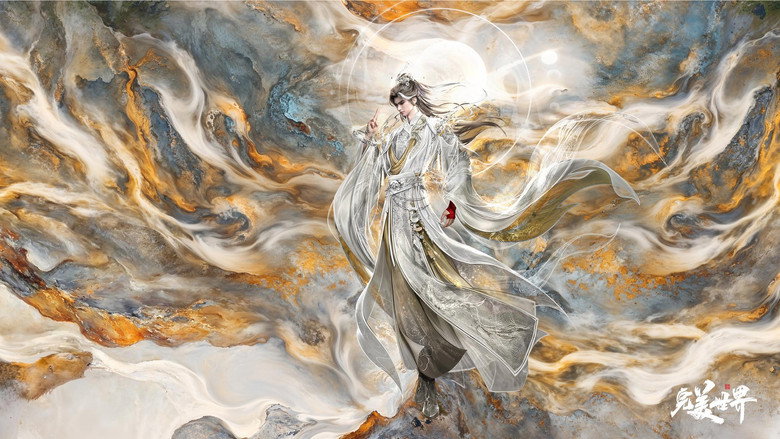
At a glance
- Chinese title
- 完美世界 (Wánměi Shìjiè)
- Format
- 3D animated series, long-running
- Source
- A novel by Chen Dong
- Genre
- Cultivation, adventure, clan politics
- Official streaming
- WeTV (region dependent)
- Best for
- Committed bingers
What it is about
Shi Hao is a child from a small village with an unusual amount of natural talent. When a powerful beast attacks and the village is drawn into a larger conflict, he begins a journey through clans, academies and ancient ruins. The series follows him from childhood into a world where every ally has an agenda.
It is a long-running weekly show, so the plot is less a single arc than a chain of escalating encounters. That structure is either the appeal or the obstacle, depending on what you want.
Who should watch it
Best for: viewers who already like Chinese cultivation animation and want another long series.
- You enjoyed Soul Land and want something similar.
- You like clan politics mixed with monster fights.
- You do not mind a slow, episodic build.
Skip it if you are new to the genre. Start with a shorter show first.
Three reasons to watch
1. The world feels large
Villages, clan territories and ancient sites are designed with a sense of scale. The show is good at making the world feel older and bigger than the hero.
2. The creature design is strong
Spirit beasts are treated as characters rather than obstacles. Some of the best sequences are about surviving a creature, not defeating it.
3. The pacing suits weekly viewing
Each episode ends with a clear hook. It is built to be watched in small doses, which makes it a comfortable ongoing show.
The hidden culture detail
The village is not just a starting location. In Chinese fiction, the xiangcun (乡村) often represents an older, more honest way of life that the hero leaves behind. The city and the cultivation clan are places of ambition and betrayal; the village is where food, elders and unwritten rules still matter. Shi Hao's attachment to home is a moral compass, and the show uses it to measure how much he has changed.
Why the village matters
Most cultivation stories begin in a village and then forget it. This one keeps coming back. Shi Hao's home is not just a starting location; it is the standard against which the wider world is measured. The city is ambitious, the clans are political, and the ancient ruins are dangerous, but the village is where people share food and remember each other's names.
That choice gives the series an emotional through-line that a pure power fantasy would lack. When Shi Hao gains strength, the question is not only how strong he is but what he is willing to do for the people he left behind. The show returns to that question often, and it is the reason the character stays sympathetic.
The structure is episodic by design. Each arc introduces a new region, a new beast and a new set of rules, and then moves on. That makes the series easy to watch in small doses and difficult to summarise. If you are looking for a single tight plot, this is not it; if you want a long world to inhabit, it works.
One recurring theme is the cost of leaving home. Every time Shi Hao returns, the village has changed a little, and the gap between his memory and the reality widens. That quiet melancholy is more interesting than the power-ups, and it is what distinguishes the series from its many imitators.
The 3D animation is solid rather than spectacular. Monsters are designed with real scale, and the fight scenes are clear, but the character models are stiff in conversation. The show is at its best when it is showing a landscape or a creature, which is why the travel arcs are the strongest.
The pacing assumes you are watching weekly. Episodes end on hooks, and the plot rarely resolves an arc in one go. Binge-watching can make the repetition obvious, so a few episodes at a time is the better rhythm.
The Chinese title refers to a perfect world, and the show is ambiguous about whether such a place exists. The village comes closest, which is why the story keeps returning to it. For viewers new to the genre, start with a shorter show and come back to this once you know the vocabulary.
The supporting cast is larger than it first appears. Elders, rivals and beasts reappear across arcs, and the show rewards viewers who remember a face from twenty episodes earlier. That continuity is one of the pleasures of a long series, and it is why the village feels like a place rather than a set, and why the quiet episodes matter as much as the fights.
Where to watch
Licensed through WeTV, Tencent's international service, in many regions. For a shorter, more visual series, read our Fog Hill of Five Elements guide. For the genre's most famous long runner, see Soul Land.
Where to watch officially
These buttons open the licensed platform's own search page for this drama. Availability changes by country, so the platform page is the final word on subtitles and regions.
No torrents, mirrors or Google Drive copies. If a link ever lands somewhere unofficial, tell us at yqin1090@gmail.com and we will replace it.