Xianxia Cdrama
Eternal Love: The Three-Lifetime Xianxia Blueprint
The series that codified the three-lifetime romance. If you have seen a xianxia with amnesia and reincarnation since 2017, it is answering this.
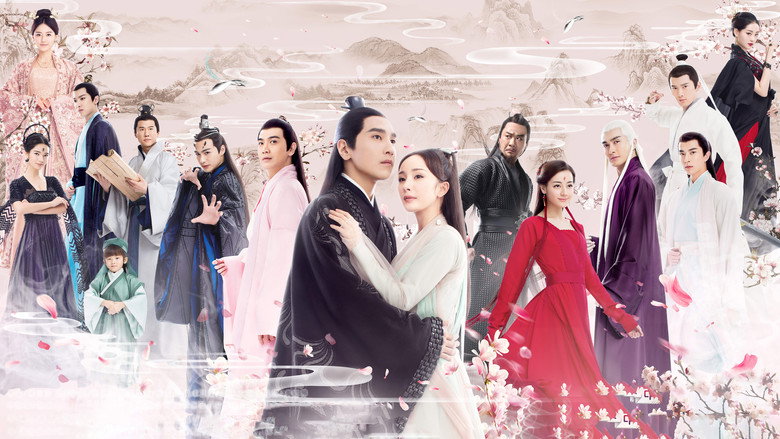
At a glance
- Chinese title
- 三生三世十里桃花 (Sān Shēng Sān Shì Shí Lǐ Táohuā)
- Released
- 2017, 58 episodes
- Setting
- Nine heavens, fox clan and mortal realm
- Starring
- Yang Mi, Mark Chao
- Genre
- Three-lifetime xianxia romance
- Official streaming
- Viki, Netflix (region dependent)
What it is about
Bai Qian is a fox goddess who has lived long enough to be bored of immortals. Ye Hua is the crown prince of the heavens, bound by duty and a family that treats marriage as a treaty. They meet, fall in love, and are separated by politics, memory loss and death. Then the story does it again, in a different life, with the same two people.
The three-lifetime structure lets the series reset its own stakes. A mortal trial can kill a character who will return; a heavenly betrayal can be forgotten and then remembered. It is a melodramatic machine, and it works because the leads make each life feel distinct.
Who should watch it
Best for: viewers who want the original three-lifetime romance and do not mind a large ensemble.
- You like reincarnation plots and dramatic irony.
- You want to understand the tropes that later xianxia shows reuse.
- You are comfortable with a slower middle section and a lot of side couples.
Skip it if you dislike amnesia plots or want a shorter series. This is the long, traditional version of the genre.
Three reasons it holds up
1. The three lives are genuinely different
Bai Qian as a mortal is not the same person as Bai Qian the goddess. The show uses the reincarnation structure to explore how power changes a personality, rather than simply resetting the romance.
2. The heavenly court is a bureaucracy
Immortals still have ranks, marriages of state and reputations to protect. The fantasy is not an escape from politics; it is politics with better costumes.
3. The visual language set a standard
Peach blossom forests, floating palaces and flowing robes became the template for a decade of xianxia. Seen now, it still looks deliberate rather than generic.
The hidden culture detail most viewers miss
The title's san sheng san shi (三生三世), "three lives, three worlds", comes from the idea of reincarnation across lifetimes. In Buddhist thought, a person's actions create a chain of cause and effect that continues after death. Xianxia softens the doctrine into romance: two people are bound across lives because of a debt or a promise. That is why the lovers keep meeting again even when they have no memory of each other. The show is not just using reincarnation as a plot device. It is borrowing a moral premise: what you do in one life follows you into the next, and love can be a form of karma.
Keeping the three lives straight
The three-lifetime structure is easier to follow than it sounds if you track one thing: what each version of Bai Qian knows. As a fox goddess she remembers everything and is bored by it. As a mortal she remembers nothing and is vulnerable in a way the goddess can no longer afford to be. The dramatic interest comes from the gap between those two states, and the show leans on it hard.
The series also uses different names for the same character across lives, which is the main source of confusion. Do not try to memorise every title. Instead, follow the relationships: who is married to whom, who owes whom a debt, and who is lying about the past. The names change from life to life; the obligations do not.
A word about the middle stretch. Around the mortal arc the pacing slows and several side couples take up screen time. This is where many viewers drop out. The advice is to treat those episodes as the emotional foundation for the final act. The payoffs in the last ten episodes depend on the suffering you sat through, and skipping ahead weakens them.
The heavenly court is worth watching as an institution. Rank, marriage alliances and reputation drive almost every betrayal. When a character chooses love over duty, the show is not only being romantic. It is showing a person rejecting a system that has no room for individual feeling. That tension is what later xianxia dramas copied, often without the same patience.
If you are coming to this after newer xianxia, expect a slower, more traditional pace. The visual effects are older, the fight scenes are less spectacular, and the romance is built on longing rather than banter. What still holds up is the scale: the show genuinely commits to the idea that these lives span centuries, and it lets the audience feel that weight.
One practical tip for first-time viewers: keep the episode titles visible. They often signal which life you are in, and the show rarely announces a jump in time. A small cue in the title can save you several minutes of confusion, especially in the second half.
What to watch next
For a shorter, funnier xianxia, read Love Between Fairy and Devil. For the genre's biggest partnership, see The Untamed. If you want a more tragic romance, try Ashes of Love.
Where to watch officially
These buttons open the licensed platform's own search page for this drama. Availability changes by country, so the platform page is the final word on subtitles and regions.
No torrents, mirrors or Google Drive copies. If a link ever lands somewhere unofficial, tell us at yqin1090@gmail.com and we will replace it.