Xianxia Cdrama
Love Between Fairy and Devil: The Short Xianxia That Converts People
Thirty-six episodes, one body-swap curse, and the best on-ramp to xianxia for viewers who found the long epics intimidating.
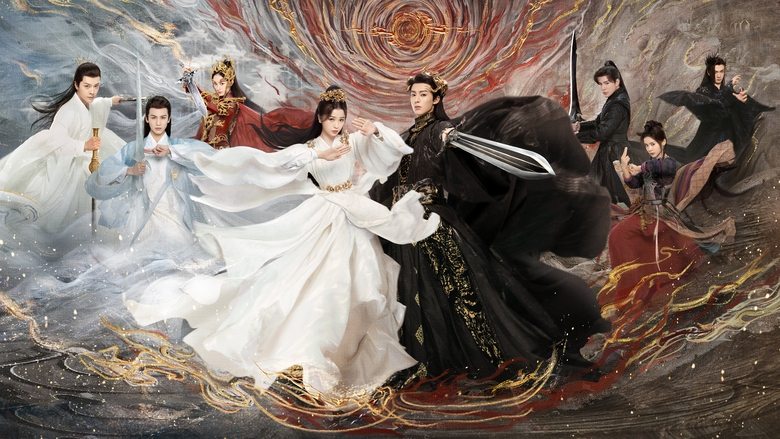
At a glance
- Chinese title
- 苍兰诀 (Cāng Lán Jué)
- Released
- 2022, 36 episodes
- Setting
- Three realms: fairy, devil and mortal
- Starring
- Esther Yu, Dylan Wang
- Genre
- Enemies-to-lovers xianxia with comedy
- Official streaming
- Viki (region dependent)
What it is about
Xiao Lanhua is a minor flower fairy with more courage than rank. Dongfang Qingcang is the devil lord who was sealed away after a war and wakes up furious. A spell binds them together: they share feelings, and harm to one hurts the other. To break it, they have to travel through the three realms and deal with the political mess left by the last war.
The body-swap comedy of the early episodes is the hook, but the show quickly becomes a story about two people who have been told what they are supposed to be. Lanhua is supposed to be insignificant. Qingcang is supposed to be a weapon. Their relationship works because each one treats the other as a person before they treat them as a role.
Who should watch it
Best for: viewers new to xianxia, or anyone who wants a romance with a smaller episode count.
- You like enemies-to-lovers and a protagonist who talks back.
- You want fantasy production values without a 60-episode commitment.
- You are fine with tonal shifts between comedy, romance and war.
Skip it if you dislike body-swap humour or want a morally complicated antagonist. This one is more romantic than political.
Three reasons it holds up
1. The leads have comic timing
Esther Yu plays Lanhua as a person who is scared but never stupid, and Dylan Wang plays Qingcang as someone who is annoyed to discover he has feelings. The early comedy makes the later devotion believable.
2. The curse is a good engine
Shared pain means neither character can lie to themselves about what the other is feeling. It forces intimacy before either of them wants it, which is a neat way to skip the usual misunderstanding plot.
3. It knows when to stop
Thirty-six episodes is short for the genre. The show cuts the subplots that usually pad xianxia and keeps the focus on the central pair, which makes it much easier to recommend.
The hidden culture detail most viewers miss
The bond between the leads is a tongxin zhou (同心咒), a "same-heart curse". Chinese fantasy is full of binding magic, but this particular device has a long literary history: two people are joined so that neither can hide their true state from the other. It is not just a romantic convenience. In the logic of the genre, a shared heart is a moral test, because it removes the option of pretending. The show uses it for comedy at first, then for tragedy, when the characters realise that being unable to hide also means being unable to protect each other from the truth.
Viewing order and the body-swap episodes
The early episodes lean into comedy, and the body-swap premise is the reason. Two characters who hate each other are forced to share feelings, and the show has fun with the mismatch before it becomes painful. Do not skip these episodes as filler. They establish the intimacy that makes the later devotion credible.
Around the middle, the tone shifts from romantic comedy to political fantasy. The three realms have a history, and the devil lord's reputation is not entirely wrong. The series asks whether someone raised to be a weapon can choose to be something else, and whether the person who loves him is seeing the truth or making an excuse.
Thirty-six episodes is short enough to watch in a week, but do not rush the first ten. The comedy needs time to establish the characters' voices, especially Lanhua's stubbornness and Qingcang's dry irritation. Once the plot starts moving, the show rarely slows down.
If you are new to xianxia, this is the best place to start precisely because it explains less. The world is introduced through the characters' experience rather than a narrator, so you learn the rules as they do.
One thing that sets it apart from older xianxia is the visual design. The fairy realm is bright and soft, the devil realm is dark and angular, and the contrast does the world-building without a narrator. Pay attention to the colour grading: it shifts as the characters move between realms, and it quietly tells you whose rules apply in a given scene. It is a small production choice with a large effect, because you can tell where you are before anyone speaks.
The romance also avoids a trap the genre often falls into. Lanhua is not a passive prize, and Qingcang is not redeemed by love alone; both have to choose to change, and the show makes the choice cost something. That is why the ending feels like an agreement between equals rather than a rescue.
What to watch after it
If you want a longer, more emotional xianxia romance, read Ashes of Love. For the genre's most famous relationship, see The Untamed. If you like reincarnation plots, Eternal Love is the next step.
Where to watch officially
These buttons open the licensed platform's own search page for this drama. Availability changes by country, so the platform page is the final word on subtitles and regions.
No torrents, mirrors or Google Drive copies. If a link ever lands somewhere unofficial, tell us at yqin1090@gmail.com and we will replace it.